

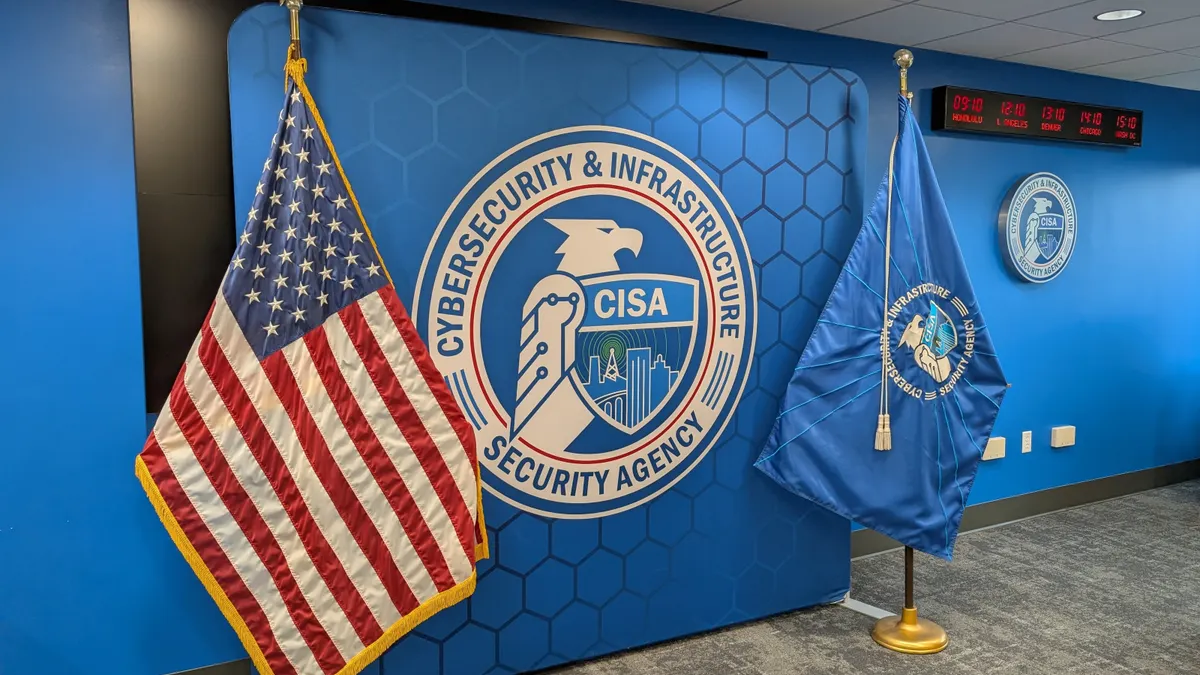
The Cybersecurity and Infrastructure Security Agency is moving quickly to implement President Donald Trump’s executive order on AI security.
“Before the end of the week, we’re going to be rolling out some specific artificial intelligence platform access for our federal government-wide partners,” acting CISA Director Nick Andersen said at AFCEA’s TechNet Cyber conference.
The centerpiece of Trump’s new EO is a framework for requesting early government access to frontier AI models to test them for security risks. But the order also directs CISA to issue guidance to other agencies on securing their networks with AI.
Andersen said CISA would soon publish binding operational directives to federal agencies that implement that section of the EO, including requirements focused on vulnerability management.
The EO requires CISA to work with the Office of Management and Budget, the national security adviser and the national cyber director to publish guidance that “expedite[s] and prioritize[s] the cyber defense of civilian federal government information systems in order to protect our Nation’s vital functions,” “establish[es] or expand[s] federal programs and cybersecurity services that enhance AI-enabled defensive tools” and “facilitate[s] access to cybersecurity tools and services including, where appropriate, covered frontier models for agencies, State and local authorities, and operators of critical infrastructure such as rural hospitals, community banks, and local utilities.”
Diminished CISA insists it’s ready
The EO represents a major test for CISA, which has seen its workforce depleted and its reputation tarnished as a result of the Trump administration’s aggressive cuts and mission reorientation at the agency. The turmoil has led to the departure of more than a thousand staffers, including many key experts in areas such as AI security. But despite those challenges, Andersen insisted that CISA was ready to play a leading role in executing the White House’s AI security agenda.
“You can just Control-F and search our name and you’ll see us all over that executive order,” Andersen said at the TechNet Cyber conference.
The government’s AI security responsibilities fall into several “buckets,” he added, including working with AI developers to help them secure their models, using AI for network defense and helping businesses, state governments and other partners tackle AI governance.
“CISA is going to have a foot in every single one of those broad buckets,” Andersen said, adding that the agency will help the Treasury Department stand up the vulnerability management clearinghouse that the EO tasked it with creating.